
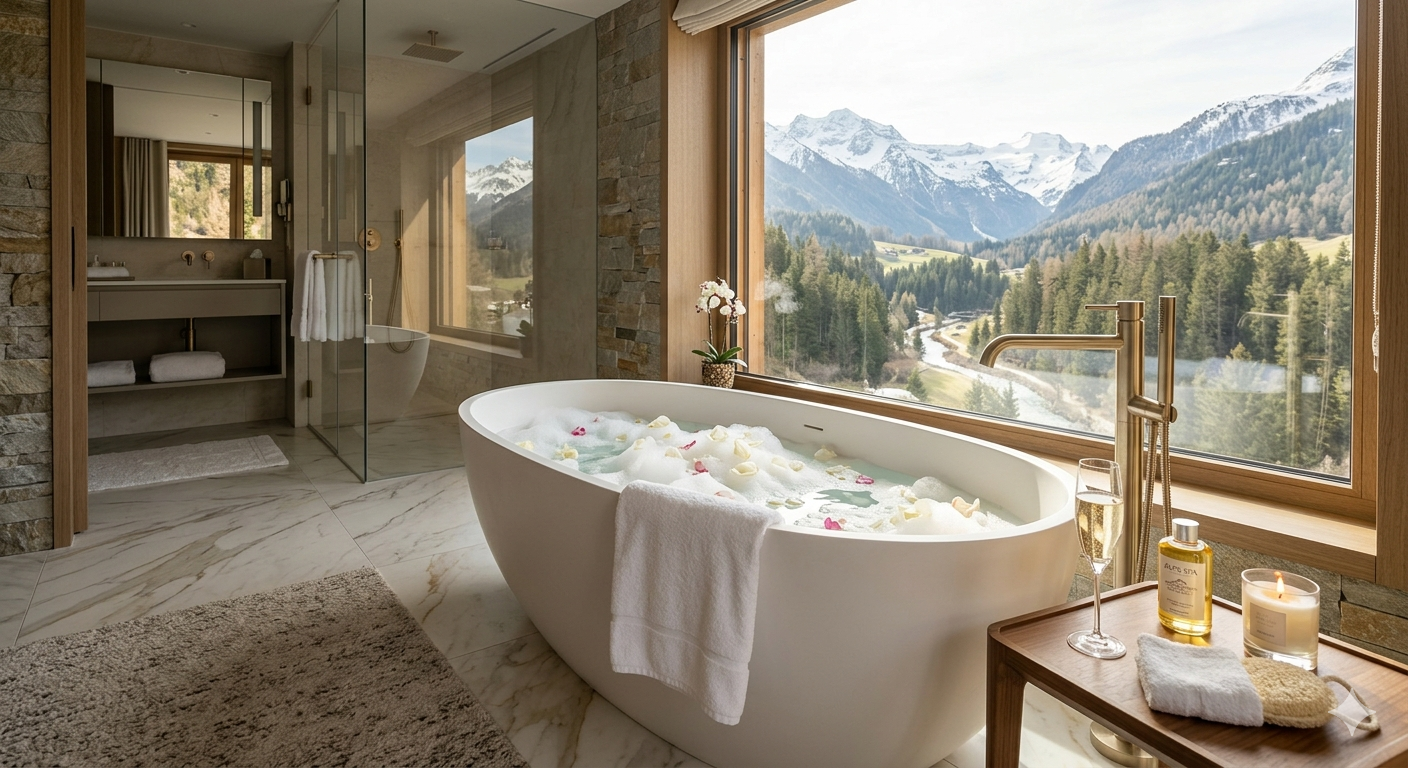
When “Bigger” Becomes a Problem Instead of an Upgrade
In design meetings, larger bathtubs often feel like an easy decision.
More space. Better comfort. A stronger visual statement.
But once the project moves from concept to construction, the conversation changes.
The bathroom layout starts to feel tighter than expected.
The floor load calculations raise questions.
Installation teams begin asking whether the bathtub can even be transported into the room.
This is the moment where a large size bathtub custom solution stops being a luxury upgrade and becomes an engineering challenge.
At Aoclea, we have seen oversized bathtub concepts fail not because the design was wrong, but because the structural, material, and installation realities were not considered early enough.
Why Increasing Bathtub Size Changes Everything
Scaling a bathtub is not a linear process.
Doubling size does not simply double material—it changes how the entire structure behaves.
A larger bathtub means:
- higher water volume
- increased structural load
- wider unsupported surfaces
- more complex installation logistics
In a typical oversized bathtub scenario, total load (water + user) can easily reach 350–450 kg. Without structural redesign, this introduces stress concentration along the base and sidewalls.
A professional large size bathtub custom approach begins by recalculating how load is distributed across the structure, rather than simply enlarging dimensions.
Translating Large Designs into Real Installation Conditions
One of the most overlooked aspects of large bathtubs is installation feasibility.
A bathtub that fits perfectly in a design drawing may not fit through doors, corridors, or elevators during delivery.
This is where engineering and project planning must align.
Instead of treating size as a fixed parameter, Aoclea evaluates:
- access paths into the installation space
- modular design possibilities for transportation
- installation sequence within the construction timeline
- alignment with plumbing and drainage systems
A well-executed large size bathtub custom solution ensures that the bathtub not only fits the space visually, but can also be delivered and installed without disruption.
Structural Reinforcement for Oversized Bathtubs
As size increases, structural integrity becomes the dominant concern.
The base of a large bathtub must handle distributed loads without flexing. At the same time, sidewalls must resist outward pressure caused by increased water volume.
Aoclea uses reinforced base systems combined with controlled wall thickness distribution to stabilize larger structures.
Instead of relying on isolated support points, the bathtub base is designed to maintain near full contact with the floor. This reduces stress concentration and improves long-term stability.
In load simulations, reinforced structures can reduce deformation by 35–50% compared with non-optimized designs.
This level of engineering is essential in any reliable large size bathtub custom project.
Material Behavior at Larger Scales
Material performance changes when dimensions increase.
In standard bathtubs, acrylic thickness and reinforcement are sufficient to maintain rigidity. In oversized designs, however, larger surfaces are more prone to flex and thermal expansion.
Aoclea uses reinforced acrylic composite structures that maintain stiffness while allowing design flexibility. These materials are selected not only for appearance, but for their ability to withstand higher loads and maintain shape over time.
Material consistency also becomes critical. Even small variations in thickness can lead to uneven structural behavior across large surfaces.
This is why a professional large size bathtub custom solution must include strict material control during production.
Performance Comparison: Standard vs Large Custom Bathtubs
| Performance Factor | Standard Bathtub | Aoclea Large Custom Bathtub | Practical Impact |
|---|---|---|---|
| Load capacity | ~250 kg | ≥400 kg | Higher structural safety |
| Base support | Partial | Near full-contact | Reduced stress concentration |
| Structural deformation | Moderate | Reduced by up to 45% | Improved durability |
| Installation complexity | Low | Managed through design | Faster execution |
| Transport feasibility | Standard | Pre-planned logistics | Fewer delays |
These differences highlight how engineering determines whether a large bathtub becomes an asset or a problem in a project.
Balancing Design Freedom and Engineering Constraints
Large bathtubs are often chosen for their visual impact. Designers want bold shapes, extended edges, and deeper soaking profiles.
However, not all design elements can scale freely.
A professional manufacturer separates:
- visual customization (shape, finish, proportions)
- structural constants (reinforcement layout, base design, load paths)
This ensures that aesthetic flexibility does not compromise performance.
In practice, this balance is what defines a successful large size bathtub custom solution.
Common Buyer Questions
Q1: Are large bathtubs suitable for all bathrooms?
No. Space, structural load, and installation access must all be evaluated.
Q2: What is the biggest risk in oversized bathtubs?
Structural instability caused by insufficient reinforcement.
Q3: Can large bathtubs be customized without affecting durability?
Yes, if structural design and material control are properly managed.
Aoclea Large Custom Bathtub Solutions
As a manufacturer experienced in large size bathtub custom projects, Aoclea focuses on translating oversized design concepts into stable, manufacturable products. Our approach integrates structural engineering, material optimization, and installation planning to ensure reliable performance.
You can explore our bathtub solutions and customization capabilities on our homepage:
https://www.aoclear-bath.com/
If your project requires oversized bathtub solutions tailored to specific layouts or design concepts, our team can help evaluate feasibility and develop a practical manufacturing plan.
Contact us here to discuss your project requirements:
https://www.aoclear-bath.com/contact-us