
Why Most Ice Baths Feel Effective at First — Then Quickly Fail
The first time someone uses an ice bath, the effect is immediate. The temperature is low, the shock is real, and the recovery sensation is noticeable. But after repeated use, problems begin to surface—water warms faster than expected, the structure feels less stable, and the experience becomes inconsistent.
These issues are rarely caused by user behavior. They are almost always design problems.
Many products on the market are essentially containers that hold cold water. They are not engineered systems. As a result, they cannot maintain thermal stability, resist structural stress, or support repeated usage cycles.
A professional ice bath tub manufacturer approaches the product from a completely different angle. The goal is not to hold water—it is to control an environment.
At Aoclea, this means combining thermal insulation, structural reinforcement, and material stability into a single integrated design.
The Real Technical Problem: Heat Transfer, Not Cold Temperature
What most buyers underestimate is that cold water is easy to achieve—but difficult to maintain.
From a physics perspective, the problem is heat transfer. Water in an ice bath continuously absorbs heat from three sources:
-
Ambient air
-
The user’s body
-
The surrounding structure
Without insulation, temperature rise is inevitable.
Low-end tubs typically rely on single-layer materials, which have high thermal conductivity. In practical terms, this means that the temperature difference between the inside and outside of the tub drives rapid heat exchange. In testing conditions, this can lead to a 2–4°C increase within 10–15 minutes.
A properly engineered solution from an ice bath tub manufacturer slows this process significantly. By introducing multi-layer wall structures and reducing thermal conductivity, heat transfer is delayed rather than accelerated.
In controlled internal testing, insulated structures can extend stable temperature duration by 30–40%, reducing the frequency of ice replenishment and improving user consistency.
Structural Stability Under Cold Conditions Is Not Optional
Cold environments change how materials behave. As temperature drops, materials contract. At the same time, the tub must support a combination of water weight and dynamic user movement.
In a standard adult ice bath scenario:
-
Water weight alone can exceed 150–200 kg
-
Combined load (water + user) often reaches 250–350 kg
-
Entry movement creates localized stress peaks
If the base is not fully supported or if wall thickness is inconsistent, this leads to micro-flex. Over time, that micro-flex becomes structural fatigue.
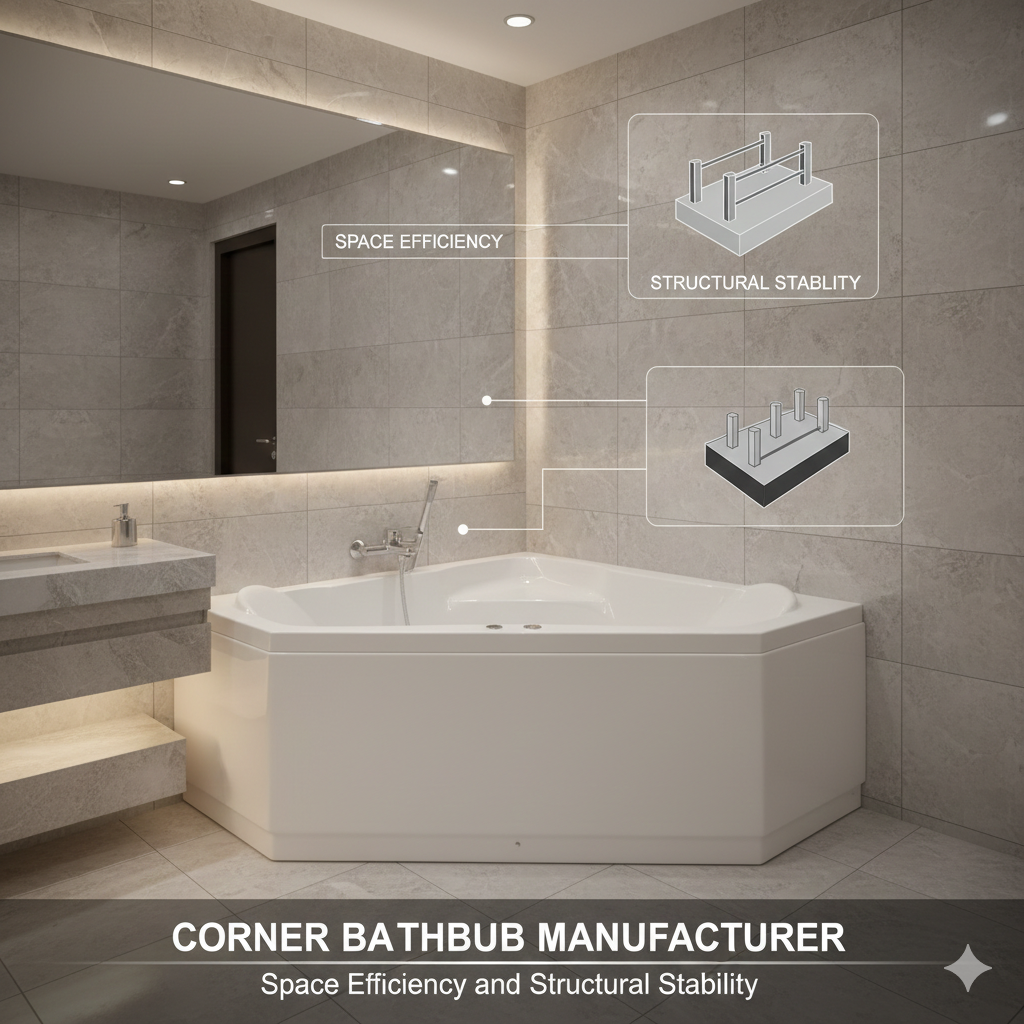
Aoclea addresses this through full-contact base support and controlled wall thickness distribution. Instead of relying on isolated support points, the load is spread evenly across the entire base area. This reduces stress concentration and improves long-term durability.
This is one of the clearest differences between a generic product and a professionally engineered ice bath tub manufacturer solution.
Material Behavior in Cold Environments: Why It Matters More Than Appearance
Material selection in ice bath design is often misunderstood. Smooth surfaces and visual quality are important, but they do not define performance.
What matters is how the material behaves under repeated cold exposure.
Some plastics become brittle at low temperatures. Others transfer heat too quickly. Poor surface finishes can become uncomfortable or even unsafe when exposed to near-freezing water.
Aoclea uses composite acrylic structures designed for:
-
Low thermal conductivity
-
Stable performance under thermal cycling
-
Smooth, non-irritating surface contact
-
Resistance to cracking caused by temperature fluctuation
In long-term testing, materials with poor thermal resistance show early signs of fatigue within months. In contrast, controlled composite structures maintain stability across extended use cycles.
Performance Comparison Based on Real Use Conditions
| Performance Factor | Standard Market Tub | Aoclea Engineered Tub | Real Impact |
|---|---|---|---|
| Temperature rise (15 min) | +2–4°C | +1–2°C | More consistent recovery |
| Load capacity | ~200 kg | ≥300 kg | Higher safety margin |
| Structural flex | Noticeable over time | Minimal | Reduced fatigue risk |
| Heat retention time | Short | Extended 30–40% | Less ice usage |
| Surface comfort | Cold, rigid | Controlled contact feel | Better user tolerance |
These differences may seem small at first, but over repeated sessions, they define whether the product remains usable—or becomes a maintenance issue.
Safety Is a Result of Engineering, Not an Added Feature
Cold immersion introduces specific risks. The user is exposed to low temperatures while partially submerged, often in a confined space.
Safety, therefore, depends on how well the design anticipates real behavior.
A well-designed tub reduces risk not through accessories, but through structure:
-
Stable base prevents unexpected movement
-
Controlled wall height allows safe entry and exit
-
Internal geometry avoids pressure concentration points
-
Surface treatment reduces slipping without discomfort
A professional ice bath tub manufacturer integrates these considerations at the design stage, rather than adding them afterward.
Certifications and Manufacturing Control
Consistency is critical, especially for commercial or repeated use environments such as gyms or recovery centers.
Aoclea aligns production with:
-
CE compliance for safety
-
ISO-based quality control processes
-
Material durability testing under thermal cycling
-
Batch consistency control to ensure identical performance
This ensures that every unit performs within the same parameters—not just initial samples.
Why Engineering Depth Builds Trust in Ice Bath Tub Manufacturing
Cold therapy is not a trend anymore. It is being integrated into professional recovery routines, home wellness systems, and commercial fitness environments.
In these contexts, inconsistency is unacceptable.
A reliable ice bath tub manufacturer earns trust not by appearance, but by delivering predictable performance under repeated, real-world conditions.
At Aoclea, the focus is simple:
control heat, stabilize structure, and maintain performance over time.
Common Buyer Questions
Q1: Why does my ice bath warm up so quickly?
Because most tubs lack insulation and allow rapid heat transfer from the environment.
Q2: What load capacity is considered safe?
At least 300 kg to account for both water and user weight.
Q3: Are all ice bath tubs suitable for long-term use?
No. Only those designed with proper insulation and structural reinforcement can maintain performance over time.
Aoclea as an Ice Bath Tub Manufacturer
As a professional ice bath tub manufacturer, Aoclea focuses on thermal control, structural integrity, and long-term usability. Our products are designed for real cold therapy environments, where consistency matters more than initial performance.
You can explore our product range and solutions on our homepage:
https://www.aoclear-bath.com/
If you are sourcing reliable cold therapy solutions for residential or commercial use, our team can help you define the right specifications for your application.
Contact us here:
https://www.aoclear-bath.com/contact-us