
Why Acrylic Bathtub Quality Is Primarily a Material Question
When buyers compare bathtubs, the conversation often starts with shape, color, or installation style. In reality, the most important factor is far less visible: the composition and structure of the acrylic material itself.
A bathtub may appear identical on the showroom floor, yet behave very differently after years of use. Surface dullness, structural flex, or hairline cracks are rarely design problems; they usually originate from weak acrylic composition or insufficient reinforcement.
This is why an experienced premium acrylic bathtub supplier approaches the product from a materials engineering perspective. Instead of simply shaping acrylic sheets, the manufacturing process focuses on controlling thickness, reinforcement layers, and bonding strength so the bathtub maintains its form over time.
At Aoclea, acrylic bathtubs are engineered as multi-layer composite structures rather than single-sheet shells.
Understanding Acrylic Materials Used in Bathtub Manufacturing
Most acrylic bathtubs are produced using PMMA (polymethyl methacrylate) sheets. PMMA is valued for its smooth finish, water resistance, and ability to retain color over long periods.
However, not all PMMA sheets are equal. Differences in thickness and reinforcement can dramatically affect structural stability.
Lower-cost bathtubs often use acrylic layers of 2–3 mm thickness, supported by thin backing material. While this reduces production cost, it also increases the risk of deformation under load.
A professional premium acrylic bathtub supplier typically applies thicker acrylic surfaces combined with reinforced backing materials. This creates a composite structure capable of supporting long-term stress without compromising surface integrity.
Laboratory load testing indicates that reinforced acrylic structures can reduce structural deformation by 35–45% compared with thinner single-layer designs.
Multi-Layer Reinforcement: The Hidden Structure Behind Acrylic Bathtubs
Acrylic bathtubs rarely rely on a single material layer. Instead, they are built as layered systems designed to balance surface quality and structural strength.
The typical structure includes:
-
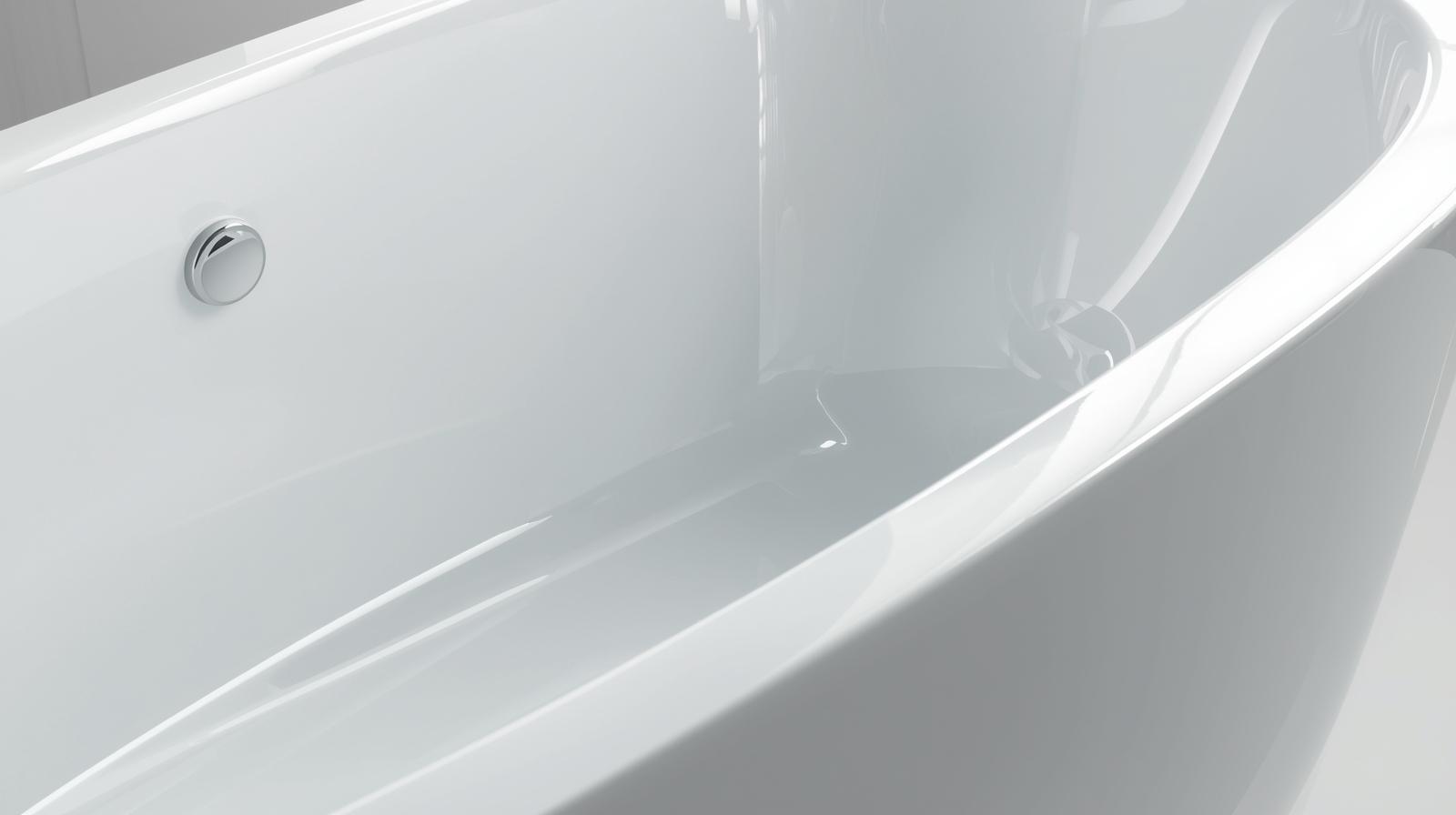
a high-grade acrylic surface layer responsible for gloss and smoothness
-
reinforcement layers that stabilize the shape
-
structural backing materials that distribute load
These reinforcement layers are critical because acrylic alone, while durable, can flex under heavy loads.
When properly designed, the reinforcement layer improves rigidity while maintaining the lightweight nature of acrylic bathtubs. This combination is one reason acrylic remains the dominant material in modern bathtub manufacturing.
A reliable premium acrylic bathtub supplier carefully controls how these layers bond together. Poor bonding can lead to separation over time, especially under repeated thermal expansion cycles.
Thermal Behavior and Heat Retention of Acrylic Materials
Another reason acrylic is widely used in bathtubs is its thermal behavior.
Compared with metal or ceramic materials, acrylic has relatively low thermal conductivity. This means the surface does not feel excessively cold when touched and can retain bath water temperature more effectively.
In practical testing, acrylic bathtubs lose heat 20–30% slower than metal alternatives in similar conditions.
This property improves bathing comfort while also reducing the need for constant reheating of bathwater.
For manufacturers, maintaining consistent acrylic thickness is essential to preserve these thermal advantages. Thinner materials tend to transfer heat more quickly and may feel less stable during use.
Chemical Resistance and Long-Term Surface Stability
Bathrooms expose bathtubs to a wide range of cleaning chemicals, disinfectants, and mineral deposits. Over time, these substances can degrade materials that lack proper chemical resistance.
High-quality PMMA surfaces are designed to resist discoloration and maintain gloss even after repeated exposure to mild cleaning agents.
However, surface durability depends not only on the material itself but also on finishing processes. Improper polishing or insufficient curing can lead to micro-porosity on the surface, which makes the bathtub more susceptible to staining.
A professional premium acrylic bathtub supplier therefore emphasizes strict finishing control to maintain surface integrity.
Material Performance Comparison
| Material Characteristic | Standard Acrylic Tub | Aoclea Reinforced Acrylic | Practical Effect |
|---|---|---|---|
| Acrylic thickness | 2–3 mm | 4–5 mm | Improved rigidity |
| Load capacity | ~220 kg | ≥350 kg | Higher structural stability |
| Heat retention | Standard | Up to 30% improved | Longer bath comfort |
| Chemical resistance | Moderate | High | Reduced discoloration |
| Surface durability | Average | Long-term gloss retention | Better aesthetics |
These parameters demonstrate how material control directly influences bathtub performance.
Manufacturing Precision and Material Consistency
Even the best materials can fail if manufacturing precision is inconsistent. Variations in thickness or reinforcement placement may create stress points that weaken the bathtub structure.
Aoclea applies strict manufacturing controls to ensure uniform material distribution. Each bathtub undergoes inspection to verify structural integrity and surface consistency before leaving the factory.
Such production discipline is a defining characteristic of a professional premium acrylic bathtub supplier, ensuring that the finished product performs consistently across different installations.
Why Material Expertise Defines Acrylic Bathtub Quality
While design trends may change, the importance of material engineering remains constant. Acrylic bathtubs must maintain structural stability, surface quality, and comfort throughout years of regular use.
Achieving this balance requires expertise in polymer materials, structural reinforcement, and production control.
For this reason, choosing a reliable premium acrylic bathtub supplier is less about appearance and more about understanding how materials are engineered behind the finished product.
Common Buyer Questions
Q1: What acrylic thickness is considered high quality?
Generally 4–5 mm acrylic layers offer better durability and structural stability.
Q2: Why do some acrylic bathtubs feel flexible?
This usually occurs when the acrylic layer is thin or reinforcement layers are insufficient.
Q3: Can acrylic bathtubs maintain surface gloss for many years?
Yes. High-quality PMMA surfaces can remain glossy for 10 years or more when properly manufactured.
Aoclea as a Premium Acrylic Bathtub Supplier
As a professional premium acrylic bathtub supplier, Aoclea focuses on advanced material engineering and reinforced acrylic structures. Our bathtubs are designed to combine durable performance, smooth surface quality, and long-term comfort for modern bathrooms.
You can explore our bathtub solutions on our homepage:
https://www.aoclear-bath.com/
If you are sourcing high-quality acrylic bathtubs for residential or commercial projects, our team can help define the right specifications for your needs.
Contact us here to discuss your project:
https://www.aoclear-bath.com/contact-us