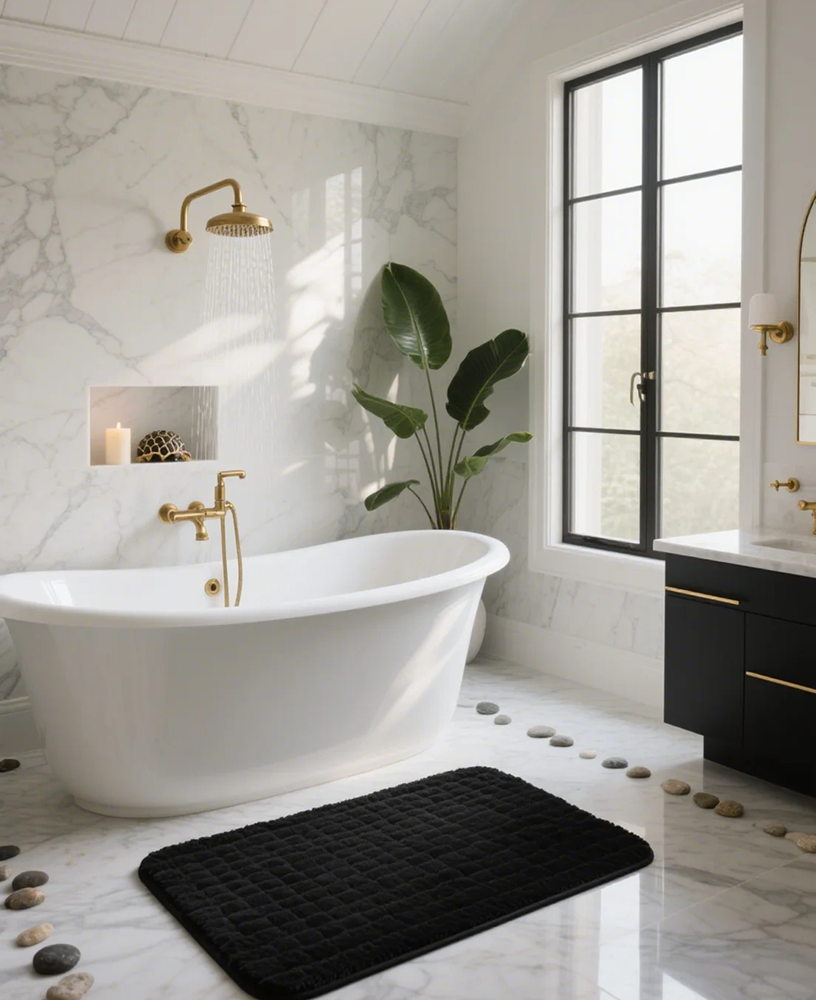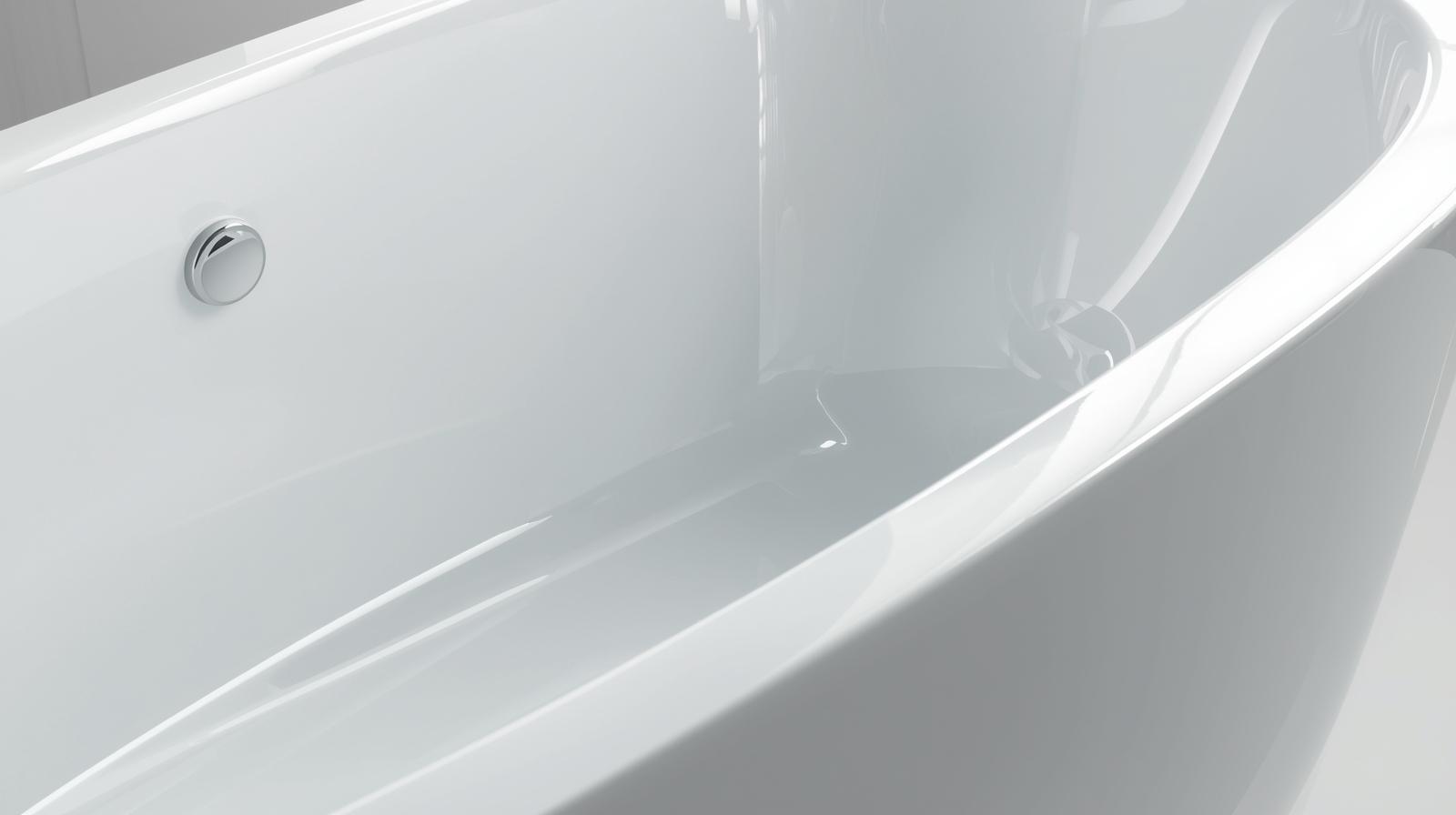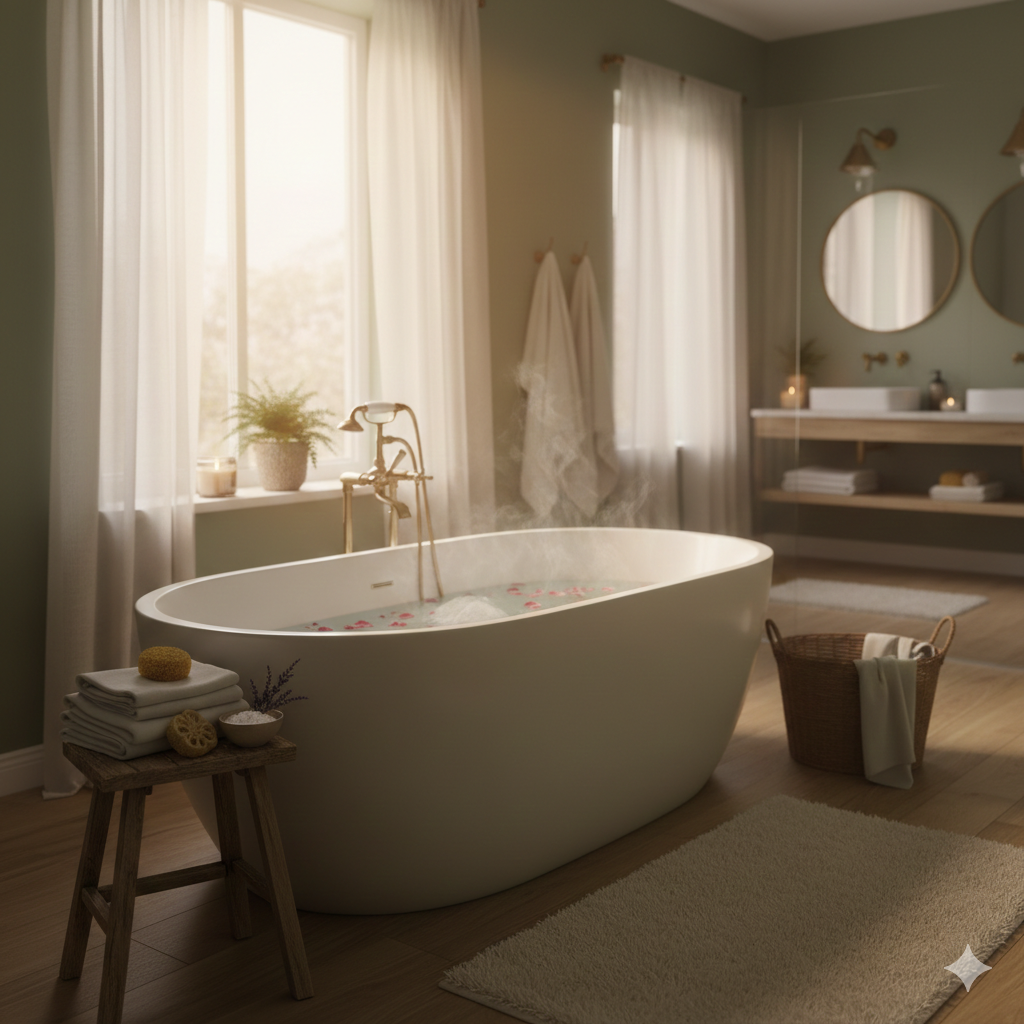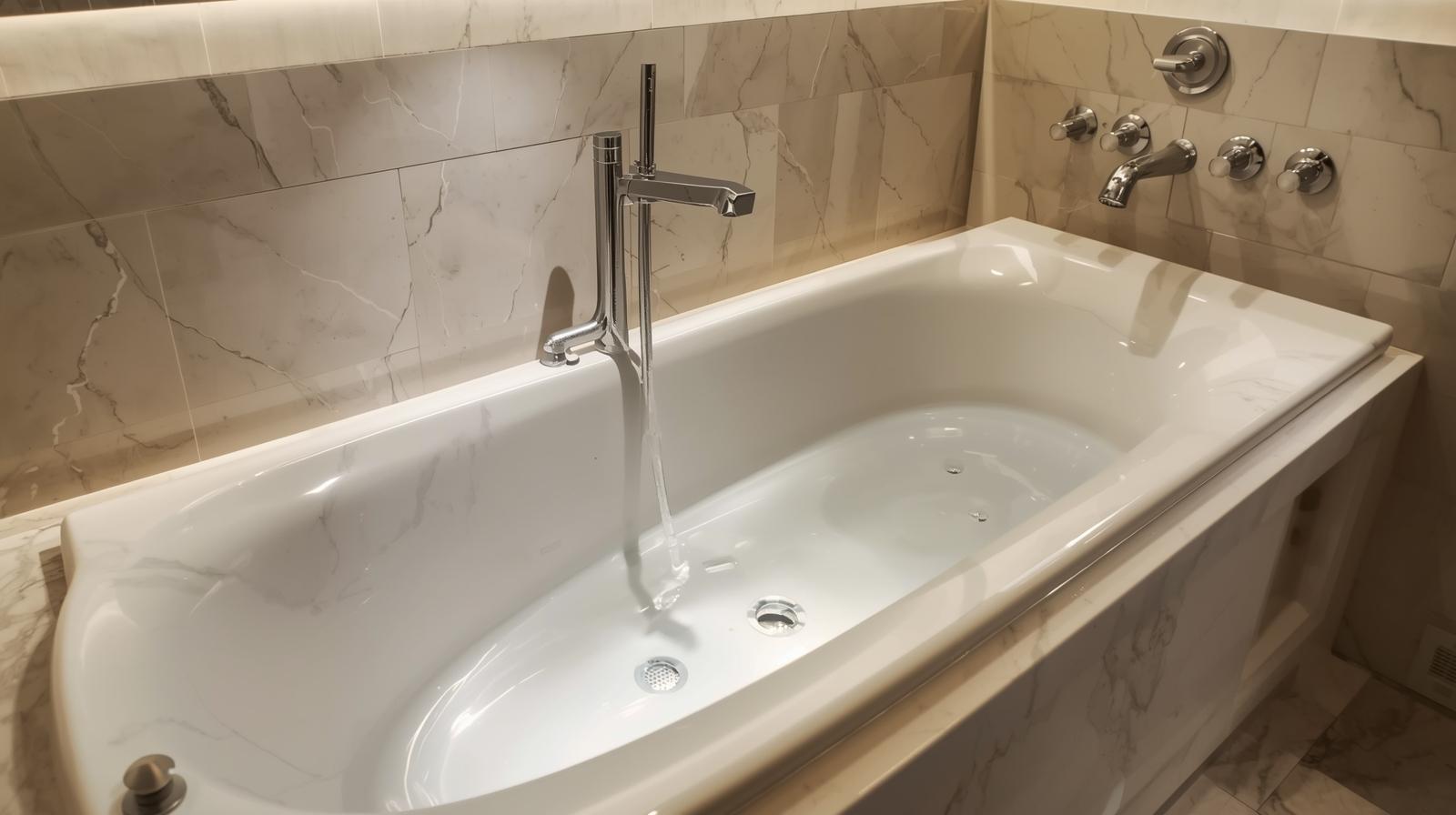

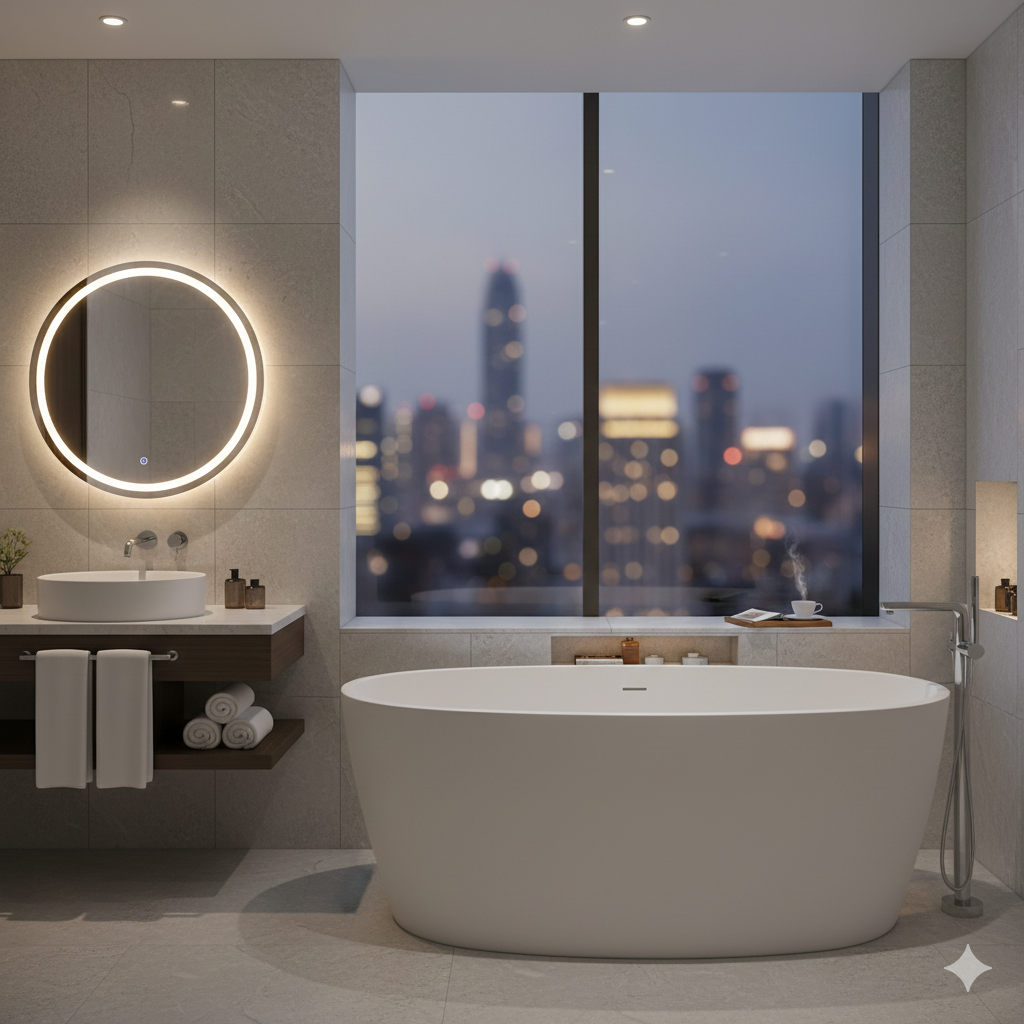
Why Soaking Tubs Require Different Engineering Than Standard Bathtubs
At first glance, a soaking tub looks like a deeper version of a standard bathtub. In reality, it is a structurally different product category.
A deeper tub means:
-
Higher water volume → increased static load
-
Greater wall height → higher stress distribution along side panels
-
Longer immersion time → continuous pressure on structure
-
More demanding comfort expectations → stricter ergonomic design
Many suppliers simply increase tub depth without redesigning internal structure. This leads to predictable issues—flexing walls, unstable base performance, and long-term deformation.
A professional soaking tub manufacturer approaches the product differently:
depth is not just added — it is engineered.
Structural Challenges Unique to Deep Soaking Tubs
Soaking tubs concentrate stress in ways standard bathtubs do not.
Key engineering challenges include:
-
Vertical load pressure increases significantly with water depth
-
Wall deformation risk grows as panel height increases
-
Base compression stress becomes more concentrated under full load
-
Thermal expansion cycles are more intense due to prolonged hot water use
Without controlled wall thickness distribution and reinforcement, these forces lead to structural fatigue over time.
Aoclea addresses this through balanced thickness zoning and reinforced load paths, ensuring that increased depth does not compromise stability.
Selecting Soaking Tubs Based on Real Usage Scenarios
1. Luxury Residential Bathrooms Focused on Comfort
-
Supplier design response
Internal geometry is optimized for full-body immersion while maintaining structural balance. Wall thickness is redistributed to support deeper water levels without increasing unnecessary weight. -
Practical outcome
Users experience stable soaking comfort without flex or movement, even during long bathing sessions.
2. Boutique Hotels and High-End Hospitality Projects
-
Supplier design response
Reinforcement zones are designed to handle both higher water loads and frequent guest usage. Surface systems are engineered for chemical resistance due to daily cleaning cycles. -
Practical outcome
Maintained visual quality and structural stability despite repeated use and intensive maintenance routines.
3. Small Bathrooms Requiring Vertical Space Optimization
-
Supplier design response
Soaking depth is increased vertically while controlling footprint. Base reinforcement ensures stability despite compact base area. -
Practical outcome
Deep soaking experience achieved without expanding bathroom layout.
4. Long-Term Residential Use with Repeated Thermal Cycles
-
Supplier design response
Material behavior is stabilized to handle frequent hot–cold cycles. Reinforcement prevents micro-deformation caused by thermal expansion. -
Practical outcome
Reduced risk of cracking, longer service life, and consistent performance over years of use.
Product Attributes That Define a Reliable Soaking Tub Manufacturer
| Performance Area | Aoclea Engineering Specification | Reference Impact |
|---|---|---|
| Soaking depth range | 450–600 mm optimized depth | Full-body immersion capability |
| Static load capacity | ≥320–380 kg design load | Supports water + user weight |
| Wall thickness variation | Controlled within ±0.4 mm | Reduces deformation risk by ~28% |
| Base reinforcement coverage | ≥90% support structure | Improves load stability |
| Thermal resistance | Designed for repeated hot–cold cycles | Extends product lifespan |
Reference values based on internal testing standards and project feedback.
Comfort Engineering: Beyond Just Depth
A soaking tub is not defined by depth alone. Comfort depends on how the body interacts with the tub over time.
Aoclea designs soaking tubs with:
-
Ergonomic back angles that reduce pressure during long soaking sessions
-
Controlled internal curves that distribute body weight evenly
-
Stable rim height to support safe entry and exit
-
Balanced internal proportions to avoid excessive water usage
This ensures that the bathtub performs not only structurally—but experientially.
Balancing Customization and Structural Integrity
A professional soaking tub manufacturer separates:
-
Customizable elements
Shape, finish, external profile, visual proportions -
Fixed structural constants
Wall thickness distribution, reinforcement layout, base load-bearing logic
This ensures that customization does not compromise performance.
Common Buyer Questions
Q1: Does a deeper soaking tub increase the risk of structural failure?
Not when designed with proper reinforcement and load distribution.
Q2: What is the ideal soaking depth for residential use?
Typically between 450–600 mm, depending on user preference and bathroom layout.
Q3: Are soaking tubs suitable for small bathrooms?
Yes, when designed with vertical optimization and compact footprint.
Aoclea as a Soaking Tub Manufacturer
As a professional soaking tub manufacturer, Aoclea focuses on load-bearing performance, material stability, and long-term comfort engineering. Our soaking tubs are developed for residential and hospitality environments where deeper immersion must be supported by reliable structure.
You can explore our full bathtub collections and manufacturing capabilities on our homepage:
https://www.aoclear-bath.com/
If you are planning a project that requires high-performance soaking tubs—whether standard models or custom designs—our team is ready to support you.
Contact us to discuss specifications and project requirements:
https://www.aoclear-bath.com/contact-us